1X
Subscribe:

Just enter your details — and we’ll send you the latest insights right away.
03:30 Through the lens of becoming
09:20 A wider field of creative possibility
16:20 The ultimate commitment
21:00 Presence, spaciousness & freedom
24:30 A few key coaching moves
32:30 Essence as an emerging phenomenon
39:00 The question of purpose
44:30 The Agentic Sage
49:30 Our actions and the wider world
54:15 Emptying our vessel
1:00:30 Inviting the client into creative participation
Resources Mentioned:
Steve March
Iain McGilchrist
Bernadette Roberts
Peter Hawkins
Joel Monk: [00:00:20] this is the Coaches Rising podcast and today I am joined by Adam Klein who is an executive coach and managing partner at New Ventures West and we're going to be exploring today. Some work that Adam is birthing into the world that he's calling the becoming paradigm. He's writing a paper called Unbecoming a metaphysics of human evolution. And, you know, I'm just a sucker for exploring these metaphysical ideas, and in most importantly, what their relevancy is and their practical application is for our work as coaches. So that's what we're going to explore today. What do we mean by becoming? What does it mean for coaches and how we see what transformation is and what the self. [00:01:04] is and what moves can we make within the becoming paradigm?
Joel Monk: How does it contrast with paradigm such as the unfolding paradigm which we've spoken a lot about on this podcast with Steve March? I find this fascinating, I love geeking out in this kind of territory, so let's dive right in here's the podcast with Adam Klein. All right, Adam, I'm glad to be with you and maybe actually to begin with you could just say a little bit about who you are, introduce yourself to the listeners to the viewers.
Adam Klein: [00:01:36] Yeah, yeah, happy to do that. Oh, Adam Klein, I'm joining from Petaluma, California, which is just over the Golden Gate Bridge in Northern California. And I run new ventures west now myself and Sahar Azarabadi. We run new ventures west and I've been in this particular field of coaching for the last 16 years or something like that. [00:02:05] And before that was part of an intentional spiritual community and doing what we call the experiential formation stuff. While also making life work as a consultant in the IT field. So these days, I find myself running classes, coaching folks, writing a lot more lately. In fact, I just finished a cohort on Sunday, just two days ago, where we completed a new cohort of students.
Adam Klein: So, immersed in the world of coaching and development and whatever all those words mean these days.
Joel Monk: [00:02:41] Yeah. Well, we're going to get into that, I think. So, yeah, we're going to talk about some writing you've shared with me, which I was excited to read. You were talking about becoming, and so we're going to unpack that, but before we get explicitly into what you mean by that, let's say it a bit of context. [00:03:00] So, what do you see happening in the coaching field? that led you to write this piece. And you know, of course, you know, sometimes we just write things because we're inspired and it's not necessarily that we're influenced by what's happening in the field, but I wonder if there is a connection.
Adam Klein: [00:03:19] I think there's definitely a connection and it's for me also connected to writing as a way of making sense of things that I felt like we're internally stirring for me. and putting myself in a place where, okay, what would it be to express this really help start crystallizing some things? And I think to say a little bit about like what were some of the like internal inklings, one of the pieces was, um, To me, it seems like there's sometimes a heavy emphasis on our conditioning and patterning, and lots of attention going into that dimension of our human experience and being a human being, which is really fantastic, and have very super helpful. [00:04:08] And I started to wonder, is this becoming a little bit too narrow, and what are other ways of understanding how we motion as human beings and become who we are. So started getting really curious about other orientations or other ways of viewing that and looking at what are other to say this way, like, metaphysical principles that play in our own becoming. But that was one of the key things was what are other ways of understanding how we become
Joel Monk: [00:04:47] Yeah. Well, let's talk about that. So what do you think? What does it make possible to view the world through the lens of becoming, you know, you mentioned, you know, it's common to see ourselves as, you know, as conditioned or patterned and [00:05:04] Maybe the work of coaching is integration, you know, that's a common way I talk about coaching. How is becoming different and what does it open up? What does it afford?
Adam Klein: [00:05:19] Yeah, if I would, I would probably say like three things are kind of where I'm at, at least anchoring these days. And the first is an orientation that there's a gravitational pull you can call it love out ahead of us, Teilhard de Chardin talks about it as like an en avant orientation, something being planted in the past that's growing and moving forward. So a different orientation in, like, where's the locus of energy? Not just behind, but also in front. [00:06:03] And then what is it? When we talk about, like, essence and true self and authenticity, an orientation of, is that something to discover or something that Increasingly landing on it's something created rather than discovered.
Adam Klein: So it's not something underneath patterns, it's something that gets created through patterns. And then the final piece would be that there's what many ways to participate in one of those, I think, most helpful and fundamental ways to participate is through self-empting, or sometimes called kenosis or surrender. And that's a key fundamental way we can participate in our becoming. So those three things which are really kind of woven together, they're not separate in any way, but are three handholds I've been wrestling with these days.
Joel Monk: [00:06:56] So if I contrast that with a way people might hold how we grow, which is, you know, there's something in our essence and that unfolds. [00:07:05] And we, you know, the A-corn into the oak tree. And, you know, it's kind of moving from the past to the future. And in a sense, we become more of who we are. We don't sell for empty, but becoming, you know, more and more of who we are through that process. And so it sounds like you're pointing to something. Yeah, that's the, I don't know if it transcends and includes or it complements or it contrasts.
Adam Klein: [00:07:32] I think it definitely includes, you know, there's clearly a biological aspect of who we are that has like epigenetics and genetic pieces to it, aspects to it that are orient in that direction. And we do have ways that we get our nervous system and stuff gets conditioned. There's this other dimension of what is it to call in the way I like to think about it is like calling in other ingredients or working with other ingredients in addition to [00:08:09] some of these more biological or genetic aspects, which are also what also include kind of conditioning. And the other ingredients would be, like what is it to fuel or grow or expand or feed the sole part of us, which is a potential that can be attended to, but that's something that's, like fed from the future in rather than from the past forward.
Joel Monk: [00:08:42] Before we unpack, you know, those, those, those different elements you just mentioned in a bit more detail and we're going to talk about how you, how it applies to coaching. What, what, could you say a little bit more about what do you feel opens up with this view? Like, what does it make possible that the other view, you know, [00:09:05] What does it make possible?
Adam Klein: [00:09:06] Yeah, well, you know, a few things that for me arise in this one is the creative potential is more expansive because what we're working with is more vast. So now we're working with like the energetic field of love, which is widely expansive. And that's the majority of what to work with is distinct Like, what are the things in my conditioning to let go of? So instead of just an undoing, there's an active, there's an active creating. So to me, that's fundamentally different. We're actively creating rather than just undoing to discover. And that's a different orientation in and of itself that I think opens up a lot more.
Joel Monk: [00:09:58] Yeah, in a sense, you know, way the way I've talked about [00:10:04] processes like a via negativa. It's like, because I think it's interesting, as you speak, I'm just putting some pieces together that we've talked about the self-improvement paradigm on this podcast with people like Steve March. And in there, maybe we could say I'm actively creating myself. I want to become a better person. I want to be more of this. And then what I liked about, you know, when naming these different kind of ways, like an unfolding way of coaching or the paradoxical nature of change, which was like, the more I embrace just what's here right now without trying to change it and just include what's here, then there's a flow to experience, you know? And in a sense, like unfolding was less like, oh, there's something inside of me that unfolds to its potential, but more, yeah, my experience just begins to flow and become fluid.
Joel Monk: [00:11:09] But it did, but it does feel like, yeah, parts of me that were around before or ways that I reacted habitually, Lessons, you know, they went away and I found myself more free to respond. So there was a kind of VNGT, it's like you just kind of do that integrated work and then and then there's a kind of spontaneity liberated. But I'm hearing now, it's like almost like there's it's not going back to self-improvement reality in a different way.
Adam Klein: [00:11:53] Yeah, in a different way, I think, you know, one of the one distinction I would make is in the self-improvement sort of orientation if we think about that one that you brought in. [00:12:03] In some ways, there's a helpful part about that. Like it's really helpful to become more effective at helping other people. Of course, we could discuss like what that means, but that desire of like creating being a person who can help others or being a person who can. He's real tangible suffering in the world in some way and being more skillful at that can be really wonderful. And it can also come for this place of like, for the sake of what am I wanting to improve. And I think this is where I would draw on like some of the, early desert people who went into the desert and they would say there's like three ways of knowing ourselves or three ways of being in the world one is our instinctual drives which can we could become really encased in and it's really just about our own survival and not really considering anything else.
Adam Klein: [00:13:00] then there's more like the intellectual knowledge what I think we would today view is like the sort of more driven optimizing, heavily left brain oriented, what's the strategy, how do we execute and how do I optimize every dimension of my life, which is really rampaged in our world, kind of shows up in the phrase of best self, like how do I become the best of something? And there I think that could be really stickiness in self-improvement and unhelpfulness because we're trying to maybe overcome a felt deficiency or wound or something. But then they would point to this third way, which is more leaning into the unknown. So you're wanting to become something that upsures in more love into the world, but you can't do it on your own. to this future gravitational pull, or this thing that's out in front and say, this is my deepest longing, is to be love in the world, help me create that, help me create that kind of person in me. [00:14:09] So that's a little bit, it could sometimes, maybe sound like self-improvement if we don't have these distinctions of what is it that we're offering into the super, how are we participating in this creative process
Adam Klein: [00:14:24] So it's a surrendered participation, so there's a way that the self and ego-driven desires are let go of in the act of creation rather than the thing driving it. Maybe actually we could talk about how this looks inside of a coaching conversation.
Joel Monk: [00:14:51] As you share that, what I'm noticing is how, yeah, there's a kind of almost like devotional quality to our development. [00:15:06] I can relate to that in my own practice where it felt like it was all about me, you know. You know, the means of my own liberation is in my own hands. And that was actually quite powerful for quite a long time, but at some point, I've recognized it just felt incredibly limited or lonely or impoverished and then this whole devotional aspect opened up in my practice, you know, praying, like, I can't do this without you, you know, life, you know, life. And so much juiciness came back in and a sense of flow, but yeah, that's quite a spiritual domain to be in. How do you coach in this way?
Joel Monk: How does it influence your coaching when you start to recognize some of these metaphysical kind of threads that you've named so far?
Adam Klein: [00:16:10] Well, what are the pieces that you name there? I think is a really helpful one of, Like, what's the ultimate, I don't necessarily use the word devotion all the time, but the ultimate commitment. Like, what's the deepest thing that you're wanting to be about as a client, in whatever circumstance it's in? And so that provides a helpful orientation to like lean into something larger than the particular moment. So helping clients orient to what are your deepest commitments. And when I mean by that, it is like things that you feel you would give all for. And you know, depending on the person that's going to have a very long spectrum of what those could be.
Adam Klein: It could be, you know, my deepest commitment is being a millionaire or whatever it might be or helping my team succeed or often it comes back to family and taking care of people. [00:17:09] So that helps as a starting place like what is the thing to orient to that does feel like a way of giving some particularity to this sort of thing in the front that's calling us forward as a starting place and then recognizing that there's probably things that are happening that are feeling like stickiness or blocks like what we talked about unhelpful patterns or whatnot. And sometimes then that's where it can, the coaching can locate is like, okay, so let's massage these patterns out so something else is possible. And that's super helpful. I do some of that in my coaching. And then there's this other thing of, well, what would be helpful to call in to say it that way, or to include that would give generation to this kind of becoming,
Adam Klein: [00:18:07] And in order to make room, you might have to let go of something.
Adam Klein: [00:18:13] To make space internally for this thing that you're long that would be helpful to have room to start to weave its way into your system and create a new you so to speak.
Adam Klein: [00:18:27] So it becomes this process of empty and call in empty and call in empty and call in.
Adam Klein: [00:18:35] So it's a shift in where we locate some of our attention and awareness and how we help clients shift attention and awareness and maybe the last thing I'll say is it also starts to soften having to land on any like really grounded sense of self so not instead of like [00:19:05] through some method to how can I become comfortable without any ground to stand on?
Adam Klein: [00:19:16] So that I don't feel like I have to hold on to anything, but I can really become completely empty.
Joel Monk: [00:19:27] Do you find your coaching clients find that appealing? That proposition.
Adam Klein: [00:19:34] Well, depending on the person in their context, the language is really going to be dependent. So I'm talking kind of way more metaphysically that I would speak to most of my clients. But what does become helpful is understanding that grasping onto things ultimately isn't going to go anywhere. They get that. They get the transient nature of life, especially corporations where things change so quickly. [00:20:01] that what was thing today and how to go about it is now different than it was yesterday. So that transience that continual churn has become very familiar. So starting from that place of, okay, so that's true, there's this way in which the world and if you just look at the outside news, like how things move so quickly.
Adam Klein: And we are wanting some way to find stability. So it's just changing a little bit, the language of what does, what do we mean by stability? What do we mean by something that can help us feel buoyed throughout all of this? So in that language, it starts to make sense, especially when you draw in very particular things that are happening in their life.
Joel Monk: [00:20:47] I mean, we just stay with this. So again, this is like, I love these kind of conversations because it's helping me fine-tune my orientation to this work. [00:21:02] One of the things I've noticed in my life and in my clients as well is like there's a way that two things happen like one over time that is as if they're kind of structure becomes stronger. So it's a may of contradiction to what you're saying, but it's like the things that used to bother them and trigger them don't anymore. There's more spaciousness, there's more presence, you know, and in my own life a sense of presence and intimacy into connectedness comes online more fully and on one hand I can see how it's like that sense of presence and intimacy with life is actually really open to that sense of flow and change and there's an an aliveness inside of it. [00:22:02] On the other hand I would say it's like there's an identity shift where there's a kind of freedom
Joel Monk: that allows, and I'm not, you know, I don't want to make any conclusive statements or maybe this backs up your point, but it's around more than it was where there's a freedom where the change is not as threatening as it used to be, you know? So there's a different kind of identity that allow that that's more comfortable and certainty, and I don't know how that tracks with what you're talking about if you Maybe it's like, yeah, well, no, that's not really what we're talking about with the becoming move here. It's like a different kind of maturing or freedom or living.
Adam Klein: [00:22:48] Well, I love all sorts of things. You said they're like spacious. This feels like a really helpful place to begin. I like the analogy of [00:23:00] You know, what helps calm the internal noise is making the room bigger. So if you have the same size speaker or the same amount of noise, and you enlarge the room, then it suddenly takes up less of the sort of sound volume in the room. So what is it to grow our internal sense of self so that the volume doesn't have to necessarily go down, but it sounds quieter. So yeah, that's a fantastic thing to help clients with.
Adam Klein: And then if you keep following that out to where there's no more room, there is no room.
Adam Klein: [00:23:37] Then the sound itself goes quite because of the thing for it to bounce off of. And then inside of that, there's the great stability.
Joel Monk: [00:23:49] What's it like for you when, you know, and presuming you're playing around with coaching in this way? Is it influencing the way you coach?
Adam Klein: [00:23:59] Definitely, yeah, yeah, yeah, yeah.
Joel Monk: [00:24:02] So you've already met named, you know, connecting to a sense of what were most committed to, you know, what we feel, you know, deeply is deeply meaning for You know, kind of tune is into that pulse, that force that pulls us forward. And what does it, what else, what does it look like when you're coaching someone in this way? You know, maybe your client is, you might have, you're as you alluded to, they might not even know it. But what are you tracking, what are you doing, what kind of moves are you making in a session?
Adam Klein: [00:24:44] Well, one would be that we could build on this thing we were just on around spaciousness. So if someone's coming in and they're like gripped by an inner voice that often we've labeled as an inner critic voice, the thing that's kind of looping and criticizing and the internal judge and people get really interlaced with that voice, they find it at once frustrating and at once like, well, if that were to go away, I wouldn't get anything done. [00:25:13] So in that move, let's just find some spaciousness first. So voice aside, where's your attention? And so helping them retune where there are locus of attention is. So that's what that has to do with a little bit of me tracking where what's my sense of where there are awareness is primarily located and seeing where else could it go that would have more space embedded in it.
Adam Klein: [00:25:43] So not attending a lot to the voice itself. Like, that's a part of their internal psyche, structure or whatever. Let's discover what else is here as one move to see how they can experience a little bit more spaciousness from it. [00:26:06] So that's a helpful thing to start with. Yeah, do you want to go ahead?
Joel Monk: [00:26:12] Yeah, then so, you know, I'm thinking of modalities where, so now they're not giving attention to that voice and they're connected to themselves and you know, maybe they're feeling like, oh, actually I feel kind of, you know, more present or You know, there's a capacity here in my body when I feel it, that's different in that voice. You know, some modalities might be like, okay, that's really good because now you can kind of start to attune to that sense of capacity or, and it, you know, it becomes more available than more you feel it. Yeah, where would you go from that point, you know, like, you've,
Adam Klein: [00:27:00] Yeah, yeah, yeah. So keep going from that point of like continuing to shift their, I would call it sense of self. So what's their experience of self? Um, that's helpful language rather than getting into something more abstract. So from this place now, what do they want to talk about? So first it's just locating like there's this thing that's getting all kinds of attention. It's kind of the squeaky wheel. And that's where the coaching starts.
Adam Klein: But then in this move of what you're calling capacity, what I've named as like a just more spacious sense of self or other things are now available. That move alone starts to often surface something else that is wanting attention. So not just the capacity itself, but like what's really going on here that's wanting to be attended to. And depending on what's happening, maybe there's some fear that's going on. So then what is it to get more intimate with fear? [00:28:02] And not do anything with the fear, but be able to contact it and then release ourselves from it. This is the sort of surrender, like let me empty the fear so that there's room for something else.
Joel Monk: [00:28:17] How do you do that, you know, like, how do you release in that way without it becoming like, you know, the self-improvement, like, sense of lot, I want to be rid of something, yeah.
Adam Klein: [00:28:32] Yeah, I mean, this gets into like the tricky territory of how to describe these things. So for me, what seems helpful is supporting contact with whatever this is.
Adam Klein: [00:28:45] So intimacy.
Adam Klein: [00:28:49] And the more intimate, they become with whatever it is, the more they see and discover and experience, maybe it's not what they thought at first. [00:29:03] So that is one way of working with it is just a whole, quote unquote, holding space, you know, these vague terms we use. But being an invitation that I am here with you and whatever is also here with us And there's a way that we're doing this quote-unquote together. So the relational primacy is really important. Relationship with whatever it is they're contacting. And then seeing what arises as they contact it. Are there beliefs that show up?
Adam Klein: Are there physical constraints that show up? And to not do anything within a year of what shows up, other than contact it, and then let it go. So that's the emptying part.
Adam Klein: [00:29:57] Contact and let go, contact and let go.
Adam Klein: [00:30:02] And it looks different for each person because you know you're working with, while I'm working with a different body mind each time. So the specific way of how that appears is going to be really connected to, how this person currently understands themselves and the way they navigate their own internal space. So sometimes it could be more heavily visually oriented. Sometimes it could be more physically like posture oriented, like shifting out there actually holding themselves and doing different shaping. Sometimes it's more energetic. If people are attentive there in their own internal system, so it's really dependent on the person. But the contact and let go is maybe what I would say is sort of the essential thing there.
Joel Monk: [00:31:01] Yeah.
Joel Monk: [00:31:04] Presumably, then at some point in a session there would be a shift, I mean, I mean guess what I'm wondering is, you know, my own coaching, there can be a, you know, this similar process of, yes, self contact and kind of just letting it be, it's changing and then there's a palpable shift in, the way the client senses themselves and that then the topic they brought in, you know, it's actually maybe the topic's not even there anymore. So, or maybe they see new possibilities around that topic because they're seeing it from a very different place. And, So I'm wondering where you kind of, you know, like, is there a kind of concluding point in this process in a session, you know, like you, you're heading, I know, I know you're not controlling where you go, but yeah, yeah.
Adam Klein: [00:32:05] Yeah, I mean, then it would be kind of, so who, what's your sense of who you are now?
Adam Klein: [00:32:13] And what feels important from here? And then what do you want? What do you want, who do you want to be, what do you want to happen, what do you want to create from this?
Adam Klein: [00:32:25] So taking that, there's a life that this person is living with people in it and commitments and things that need attention.
Adam Klein: [00:32:33] So from this way that you are now, what do you see is making sense? And then I'll talk about what that looks like. And then we can talk through, oh, yeah.
Adam Klein: [00:32:49] So you want to have a conversation with your boss from this place. Let's talk about what that might look like for you. What do you see happening? Who do you want to be there? What's an orientation internally that will help you be in it the way you feel that would be most generative for all that's going on.
Joel Monk: [00:33:14] And I can imagine there's a kind of meta-competency here that clients cultivate, so they can kind of start to get this way of being with their experience over time during it themselves, so to speak.
Adam Klein: [00:33:30] Yeah, definitely looking for what are signals to pay attention to that have you go back to or reinter something that feels unhelpful, more contracted or whatever. So what are there sensations that start to show up that are signals or thoughts or whatever else that you can notice and have available as indicators of, oh, pay attention. Something's changing in a way that I'm not wanting to move. So how can I contact it? Let it go. [00:34:01] Yeah, and then noticing that if there's specifically like the body part is really helpful, like noticing what's your posture, how's that going, what what what what you shift there. And the other part is how are you what's like your relationship with other people?
Adam Klein: How are you relating who are they? Have they changed into something else? Versus what you were originally orienting around? So yeah, there's ways of I would say paying attention to who they're being and is this the kind of being they're wanting to live out in the world.
Joel Monk: [00:34:47] Yeah. So one thing that that reminds me of is when you said in our essence emerges in conjunction with our existence, right, as opposed to preceding our existence, you know. [00:35:07] So yeah, that seems to be taking root as an idea more. I think it's a really powerful sense of understanding of who we are and that we co-arise. with our experience rather than being something kind of independently existing, somehow and separate, you know, atomized from, but actually, yeah, could you say more about why, what, why is that important? Yeah, again, like how you see that showing up. I think I hear you describing it in the way you're talking about how people relate to others and the experience.
Adam Klein: [00:35:49] Yeah, I mean, I, I'm not this, I don't know this necessarily a new thing. It's just, I'm probably re-highlighting something that's been conflated in our world, which is our essence or true self. [00:36:03] So to speak, isn't something to discover. So people like sometimes clients or people coming into our classes at New Ventures West, we'll say I want to discover my true self. So then it can turn into like a, well, I'm in the minds, chipping away at things to find something. And that pursuit, I feel like it could be shifted to, well, it's not something that you are finding. It's something that you're actively engaged in creating. So your essence is an emergent phenomenon.
Adam Klein: [00:36:39] Not a discovered phenomenon.
Adam Klein: [00:36:44] Now that can also be though a little bewildering because sometimes to me at least feels like well it's easier and there's feels more ground if I just like keep going I'm going to actually find something versus something that feels a little less grounding what do you mean I'm just continually floating as this every emerging thing yeah it kind of goes back to where do we look for stability? [00:37:10] So that's uh, I think in your right, I think this is coming through a lot of like the language that shows up these days around like emerging emergent emerging emergent stuff. And a really beneficial part of that is this way of orienting to being liberated from having to find anything.
Joel Monk: [00:37:34] Yeah.
Joel Monk: [00:37:37] The, what I'm kind of tuning into is this how the tyranny of purpose, you know, that it's just a phrase, a friend of mine used where, you know, the tyranny of true self, it's like if I just keep working hard enough and, you know, contemplating enough, I'll finally discover who I meant to be and, right, what my purpose is and it can be a burden, it's such a burden, [00:38:05] If you enjoy participating in life and orient to what you love and what you feel deeply committed to and passionate and curious about then that reveals who you are in relationship to that thing and it becomes much lighter or more enjoyable and Yeah, that enjoyable and lighter I think can kind of remove some of that burden. And I think that kind of brings me to what you said about soul. I think your name, you said soul at some point. You know, my understanding of that has been, it is something that's actually, it's not a thing. You know, it's actually something that's a verb and it's... But I think I do fall into that trap sometimes of like, you know, the soul is something that's revealed as we do this integration, you know, and and that the patterns that I inherited that covered over.
Joel Monk: [00:39:15] the true self, you know, I'm, I'm, I'm kind of excited. I don't know anything. You know, are now free and then soul can shine forth more fully. And I think this, you know, it works as a kind of analogy. And if I look at it, history, you know, there's something that doesn't quite add up with that, which is there are people throughout history who showed up and in what I would call an extraordinary acts of insolvent, you know, sole force was just that there's something shone through that person and touch the world around them. And they were not engaged in any of that kind of chipping away before that to reveal it. [00:40:03] In the sense of it wasn't a project for them.
Joel Monk: That's what I mean. I'm not denigrating what they've been through in their lives to get to that point. So there's something about that that kind of speaks to me when you talk about, um, yeah, this this view.
Adam Klein: [00:40:21] Yeah, absolutely, and that tyranny of purpose, that's a wonderful phrase. Yeah, so purpose thing can become something we are, not something we have to do or discover. That just in our living, our life is purpose in it of itself. There's nothing else beyond that, for purpose. But you were saying something else that I wanted to touch on right here at the end.
Adam Klein: [00:40:44] I lost it.
Joel Monk: [00:40:51] Well, it may come back, but just that what you said there purpose is something we are, then, you know, so this is, this is what I liked about, you know, an unfolding kind of you, which kind of. [00:41:05] put me, you know, desire is something that I am too. It's not, it's, there's a non-dual aspect to it. It's like it's not, I'm not separate from the thing I'm desiring. It's actually, you know, there's something deeply intimate. And so, um, yeah, as you talk about the becoming paradigm, being liberated from certain structures, which can feel, I think what you said earlier in our conversation, like very quite narrow, you know, and maybe it can create a sense of heaviness and chipping away, whereas there is a kind of possibility to open right now to the purpose that we are, the sense of deep commitment that we are in this moment.
Adam Klein: [00:41:53] Yeah, exactly. And for me, that what you're saying here, the way I would say it is fundamentally highlighting the co-creative way that we can be in the world. [00:42:06] So our participation is really important and we're active agents in creating. So to sense that aliveness and live with that aliveness of creating. And some of that is through surrender and some of that is through activity. but that there is a fundamental way that we are participating in the movement and motion toward love. So clearly we're not there yet, but we're on our way to being fully differentiated and fully unified.
Adam Klein: And we are key in that. And I think one of the things you were just talking about just remembered is like, and what can be really powerful is when we start, The different orientation of like looking for something is distinct from how can I actively push into the boundaries of what I can see and say and touch.
Adam Klein: [00:43:08] Then it keeps flowing forward.
Adam Klein: [00:43:15] So the more people all of us get in contact with. What is happening for me and how can I touch it and articulate it in a way that feels really precise to my experience, then some now things have moved. Because the boundary we thought was there, we've named it and now it's expanded out because it wasn't really a boundary in the first place. That's one of the... aspects of what I'm wanting to imbue is our active participation in creating.
Joel Monk: [00:44:01] Can you say more about that as well? Because, um, you know, there's this thing now, a So, it's kind of become a meme or I think quite beautifully articulated by some people, but the, you know, this move of... bringing together not just agency, you know, that there are obviously very agentic people in the world who may be lacking wisdom in certain ways. And there are maybe maybe quite a wise of people, but who don't seem to have access to a certain kind of agency or power to impact the world. So what is it to bring those two together? And maybe Maybe there's a kind of neo-liberal western kind of elitism in that, you know, maybe it's true to say we're all, we all have a certain level of agentic wisdom, and that we can increase our capacity to it, rather than some people don't have it.
Joel Monk: [00:45:14] But anyway, So when you talk about co-creating with the world, I think this is one of the, you know, that speaks to me of like, what is it to co-create with the world? An alignment with what we feel most committed to, what feels good, true, and beautiful. So how, you know, how do you do that with someone?
Adam Klein: [00:45:46] paying more attention to is what are the ways that I have preferences around what that means co-creating. So for a while, I was really heavily bent on, well, it has to have some like material way that it shows up. [00:46:02] So there's this old song that would be that said, you know, you're so heavenly minded, you're no earthly good. Which I loved, I was like, yeah. And now I am wondering about that and wondering about in what ways are we limiting even what we mean by like being a gentic and creating.
Adam Klein: [00:46:27] So, there are folks who are living on a hill by themselves in the small cluster, seemingly not doing anything for the world. but I think profoundly doing something for the world.
Adam Klein: [00:46:48] So they are surrendered in a different kind of way and creating in a different kind of way, and viewing it not in terms of what will my material body produce in the earthly realm? [00:47:02] But what might come through the earthy realm if I surrender myself fully to this cosmic thing calling us forward, so that there's more available there for others to call in?
Adam Klein: [00:47:15] So it shifts a little bit for me at least what I mean by like creating and where are we surrendering our energies to? And my feeling is that, There's more than room for all of that.
Joel Monk: [00:47:35] Can you give that question again? Like, can you just articulate that shift again?
Adam Klein: [00:47:38] Yeah, so the shift being, like, my way of orienting was being co-creative means solving real tangible problems. And that's the, if it doesn't do that, then we're not really, you're not really, really being helpful. And I'm loosening on that. as I'm doing more reading and more sitting and feeling into what about the folks who we don't even know about who are living in a cloister like monks living in a cloister, surrendering themselves in a different way, meaning surrendering themselves into total emptiness, into [00:48:27] Um, knitting together happening in the unseen world, that does have implications in the scene world because they're not disconnected. So in our left brain-oriented world, Iain McGilchrist talks a lot about, and we have you and brought his name into any of this, which is unfortunate, because there's so much
Adam Klein: [00:48:55] of creativity and becoming, and open up more.
Joel Monk: [00:49:03] So that's, I don't know if I answered your question, I probably think, well, you know, I'm thinking of the Eastern Orthodox monks, you know, I'm now in tough love's monks who, you know, are never go out and, you know, I'm prey basically all day for humanity for life. Yeah, you know, I like that idea and interestingly, I'm thinking of my own life where I, the journey I went on. So I, I remember, you know, I got into meditation and spiritual practice, but quite quickly, I felt like I don't want to renounce the world and You know, kind of live in a monastery, actually. I want to live in the world as a fully, as a human being. And I'm not saying these monks are not that. [00:50:02] But I saw that there was that. But then there's the journey of like, what is it to actually live in the world and serve the world, you know?
Joel Monk: And the realization that many of the things that I tried You know, we're actually didn't have the impact I wanted or misaligned in some way. So, so there is a kind of growing, kind of deepening maturity around, well, first of all, humility, as opposed to hubris, you know, not saving things, but also a kind of, you know, maybe because you woo way, kind of like, what is it to kind of, you know to have action which feels has the right touch you know and it's kind of just aligned and without making that pressure some getting caught in again another game so [00:51:06] Yeah, I mean, I mean, that journey, I guess, what I'm, you know, through my rambling right now, I'm trying to say is I'm in that inquiry myself, you know, because I think I've also spiritually bypassed, you know, and kind of said, well, you know, it's really about all about the kind of contemplative or beyond realms, but actually that didn't, that's not going to, well, is that going to change the world?
Adam Klein: [00:51:37] yeah yeah yeah well in some ways the loosening of our own internal dynamics our own internal clinging loosens things for everyone so there's that cause or that quantum physics aspect of as we work with our own internal thoughts and attachments and whatever and lean ourselves more into becoming love than that internal movement and motion isn't just for us for everyone.
Joel Monk: [00:52:15] As we're learning, there's nothing separate.
Joel Monk: [00:52:24] Yeah, and what I liked when I read your paper that you sent was this sense of that we're participating in life and in a sense like we are consciousness experiencing itself in life. Maybe you were referring, or maybe that was Bernadette Roberts' quote, but It kind of, the whole approach for me creates a sense of more freedom and ease around the work we do that, you know, easing that. [00:53:03] that tension we can feel around getting to a destination, getting to the right place, uncovering the essence, chipping away at the block. And it kind of brings love in. It's like love is here everywhere right now, in this, in the imperfection of this. So that liberates something for me.
Adam Klein: [00:53:25] Yeah, absolutely. So all those things, and they think, it's a glad you named all that. And I participate, so it's also not, well, whatever. This is just let it all do whatever it's going to do. Like, well, I have my agency matters, and it doesn't matter at the same time. But, meeting, what is it to, like, you know, the Buddhist phrase of, what is it to be an action without effort? So I think what can get released is the effort, but it doesn't mean the action doesn't matter.
Joel Monk: [00:54:04] Well, if we just, the last few minutes of our conversation, if we just kind of, what would you say, if I said, how would you invite coaches to play with this in their practice? And then, and I get, you know, this is, there's no cookie cutter kind of approach here, but, yeah, what could people do to play with this in the way they coach?
Adam Klein: [00:54:29] The generous question. My feel for that would be maybe where we started, which is what can the client call in to help them create what they feel would be helpful.
Adam Klein: [00:54:43] In addition to like unrupping out or dissolving or loosening a pattern.
Adam Klein: [00:54:52] So that would be one. The other way of maybe saying the same thing is what is it to invite the client into active creative participation and what limits there are creative participation, like what internal attachment or thing that they're after limits their creative participation.
Adam Klein: [00:55:11] And then maybe the last thing would be. empty, and call in, empty, and call in, empty, and call in as coaches, as clients, as people.
Adam Klein: [00:55:27] So empty, and make room for more love to come in. You know, we didn't get into this part, but the way that which, as I empty, I make room for everyone else to come forward more.
Adam Klein: [00:55:39] So what is it as a coach to empty so that the client can come forward more?
Joel Monk: [00:55:47] emptying and imagining is a phenomenological move we can make in the moment. So, how do you do that? How do you empty out?
Adam Klein: [00:56:00] I mostly ask for mercy that it happens. Seriously. Like, oh, there's this thing. That's not helpful.
Adam Klein: [00:56:11] Help me about the go of that.
Adam Klein: [00:56:15] And who are you saying that to? Well, in my tradition, it would be God, but it could be emptiness, it could be love, it could be the mystery, it could be presence, but the energetic field that we are intimately connected to that can be of great support when we're in active relationship with it, and that could be a whole other conversation, active relationship with this energetic field,
Joel Monk: [00:56:48] Well, this I think is fascinating because I also have not started to notice this, you know, what is it to ask for support in a session? [00:57:00] Yeah. I've been doing that, you know, so I take my hands off the wheel. support me to serve this person, even a support what's best for the both of us in this, you know, and that starts to, you know, it's a very powerful practice, because it's more the energy. So it's, it's, it's, it's like prayer, you know, prayer has become very important to me and it's a prayer prayer for me is a practice of atonement, mostly, it's an actual, it's a non-dual practice, it's not like I'm asking for stuff to happen, although, you know, I am kind of orienting, you know, it's what you said, like, I'm like, may I be, you know, Lord help me be a vehicle of light, be a, be a, be a, be a, be a, be a, be a, be a, be a, be a, be a, be a, be a, be a, be a, be a, be a, be a, be a, be a, be a, be a, be a, be a, be a, be a, be a, be a, be a, be a, be a, be a, be a, be a, be a, be a, be a, be a you know, a lighthouse in these times and it's a very intimate thing. [00:58:01] And so what I'm trying to say with prayer is that it's a feeling, you know, that you feel it, you feel it, and it amplifies and it's an attunement.
Joel Monk: And I think it's the same in my recessions and And but I felt also like, well, you know, how, what's the, where's the ethics, you know, what's the ethics around praying for my client, you know, I mean, I don't pray for them per se, but I'm kind of praying in a moment. And so I'm working with that. But if, you know, people like Peter Hawkins, you know, also said, you know, you get to the And then you can pray, you know, pray for something to come through. So even people Peter Hawkins who's, you know, lovely academic in the field and also a deep practitioner, you know, my ad. But so, yeah, there is a felt sense of this force of life that can come through.
Adam Klein: [00:58:59] Yeah. [00:59:00] And that's fundamentally like, you know, as you're talking about it, one of the things that I really appreciate about what Cynthia Bourgeault has about like surrender and Kenosis. She says it's fundamentally about intention and posture. So to your question of how do we do that, I think it's continuing to work with the way that we have some form of agency over our will and posture and that alone is immensely So to your question about, like, what can we practice this? Like, what is it to have our will be in an orientation and an intention of surrendering to, let's use love? And then it doesn't mean that we don't work with becoming skillful.
Adam Klein: Like you said earlier, this isn't a bypass of letting go of everything else. [01:00:00] It's including,
Adam Klein: [01:00:03] but not being limited by.
Joel Monk: [01:00:04] But then just like my last question then is, you know, again, I'm coming back to creative participation, but you said, you know, what an I asked what could you do to bring this into your coaching? And you said, you know, invite your client into creative participation. What does that look like? What does that mean?
Adam Klein: [01:00:28] to invite the client in the creative participation?
Joel Monk: [01:00:30] I think that's how you phrased it. You kind of said, yeah, work work. Because they might be like, or people listening might be like, well, there are participants in the conversation and the exploration.
Adam Klein: [01:00:45] Yeah, okay, so that's helpful. So for me, when I say creative participation, it's not just in a particular outcome of like, I want to create like some shift AB, you know, I want more revenue or my team to get things done on time. [01:01:01] But creative participation in terms of like, what kind of mood, what kind of energetic field, what kind of movement or motion, do you want to be present and how do you creatively participate with that? So then it becomes about accessing more than just our intellect in terms of how we creatively participate. It comes down to what's the energy I'm bringing to this and how is that participating in whatever we're creating together here? drawing on like what emotions am I really in contact with and how are they contributing to what's getting created here. So it's actually accessing like the different dimensions of who we are as a person as we understand ourselves and seeing those as ingredients that's creating something.
Adam Klein: So it could be working with the client in understanding what are the various things that you have available to you that are the ingredients you're using to create? [01:02:04] And let's work with those emotionally, somatically, energetically, intellectually, and so on. So then the palette of creativity is very vast. And then the key one is this last one of like, and how is your will or how is your move to engage? What's the intention there?
Adam Klein: [01:02:25] and how is that ingredient contributing to what gets created?
Joel Monk: [01:02:37] You know, one of the things I've been feeling is, like, I'll work as AI comes in as well, is going to deepen more into, in a sense, like, frequency, you know, so mood, you know, emotional, awareness, mood, but even the kind of sense of state, the state, we're in the frequency that we're accessing, and the sense of [01:03:00] possibility that's an active through that frequency. Does that kind of align with what you're saying there?
Adam Klein: [01:03:08] Yeah, I would include frequency. The word I would probably use is what's the energetic move here? What's the energy here? But that could be connected to frequency? Yeah, for me, I think what AI is leaning toward, and I think I've heard others talk about this,
Adam Klein: [01:03:29] not what's going on here, and that's not what's happening in coaching. There's so much more up in the mix. And yeah, AI is going to help illuminate that. I think faster than ever.
Joel Monk: [01:03:47] Yeah.
Adam Klein: [01:03:48] Like for example, AI, the way AI thinks is in condition by the temperature of the room. But the way I think is conditioned by the temperature of the room because we're more than a mind, more than just this central processing unit when I say mind, I mean it like that.
Joel Monk: [01:04:12] Yeah.
Joel Monk: [01:04:15] Yeah, that's, I think, I mean, this is, I mean, we can't open up this topic too much, but I think AI will have as reflective and more deeply what it truly means to be human, and I think we'll move us out of the era we've been in where... We can really privilege knowledge and it's not to say knowledge isn't important. No, no, no, no, but it's what that domain will start to be handled by it. So what's left over? Well, it's all the stuff we're talking about and you know, I've been watching videos of Yann LeCun, I think that's his name, I pronounce it and there's a article by there. Chinese, the Chinese guy who left the US to China and they are very different views on will large language models reach human level intelligence because of what you're pointing to. [01:05:09] They're like, it just doesn't have the, it's not built on the same, human intelligence is not just rational knowledge in the brain, you know.
Joel Monk: So anyway, and I'm also aware I'm out of my depth in terms of my expertise, but this has been cool. I really appreciate you coming on and sharing about this and you know, what excites me about it is that you know, I see this being You know, I love how the field is maturing and unfolding and there's new articulations of the field of what it means to be human and to keep, you know, and that unfolding is a problematic word in this conversation because we've been contrasting becoming, you know, so in the field of becoming, you know, becoming who we are. So thank you for being one of those people who's, you know, thinking about this deeply and articulating it.
Adam Klein: [01:06:07] Oh, it's been a pleasure, Joel, and you've been so generous and engaging with the conversations, so I've been really appreciative of our time together. And yeah, I love what we're up to, and I hope maybe we all continue to be up to it, and ushering more love into this world. Yeah, so the paper I said you think, you know, that was a draft but the time this publishes that'll be ready. So you have a way of reading about becoming there and then, you know, new ventures west.com it's a great place to learn more about how we embody this at our school and how we bring it into our programs.
Joel Monk: [01:06:51] Here we are, we're at the end of the podcast. Just do a heads up again. If you're not on our mailing list and you want to stay in the loop about other things we create, then head to coachesrising.com. [01:07:01] Put your name in the sign-up box there. You'll also find some of our other offerings online trainings for coaches there. And just want to end by wishing you well, and I'll see you again next time.
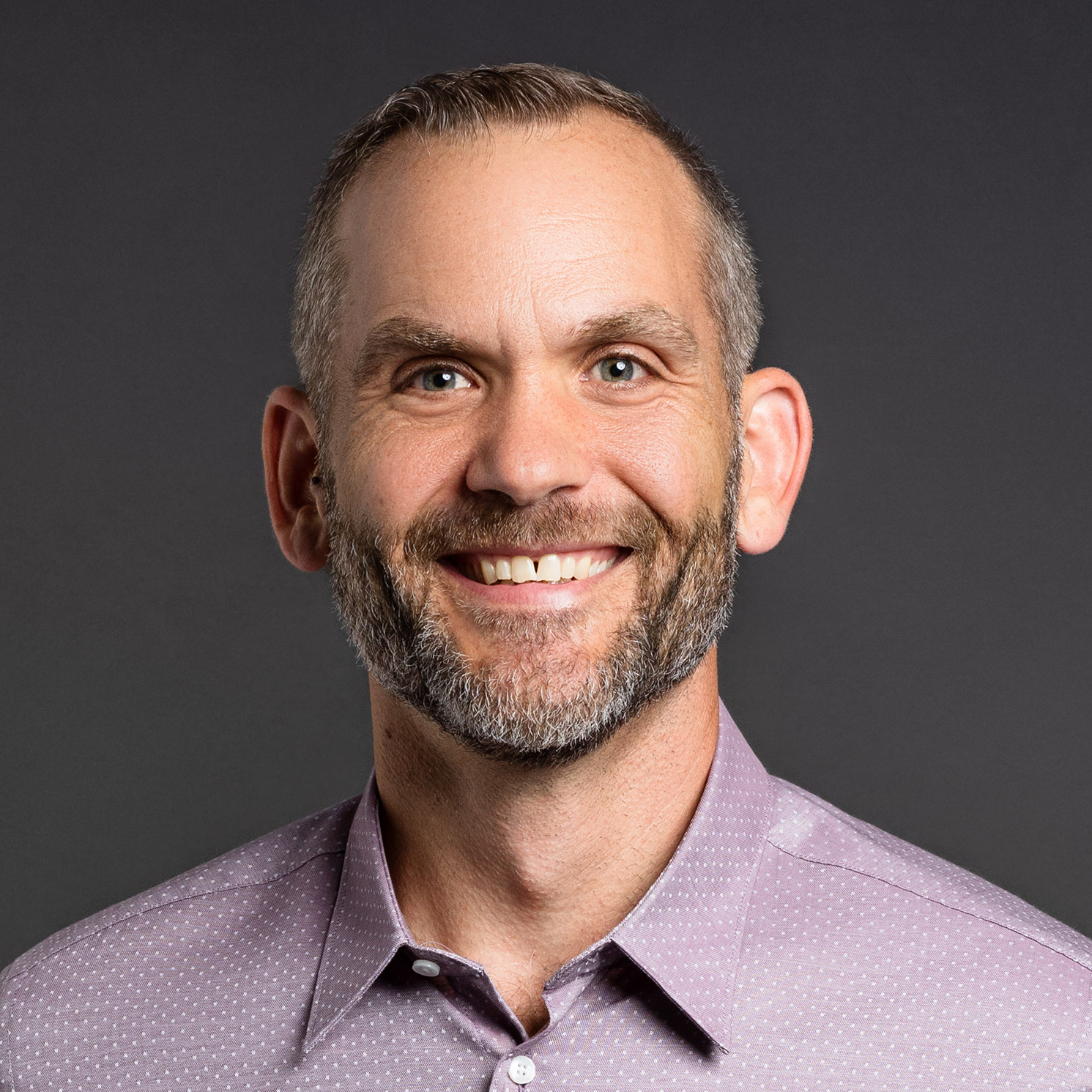
Adam Klein
As Managing Partner at New Ventures West, Adam Klein stewards a 40-year legacy of integral coaching and brings 20 years of his own practice working with Fortune 500 executives and family enterprises. Drawing from contemplative lineages, Adam supports people's being and becoming with attention to the whole person: body, emotions, mind, spirit, relationships. He views patterns and difficulties as creative material for transformation rather than obstacles to overcome—an approach where development happens through ordinary rhythms, conscious surrender, and becoming, one step at a time.
WEBSITE
https://newventureswest.com
https://newventureswest.com/on-becoming
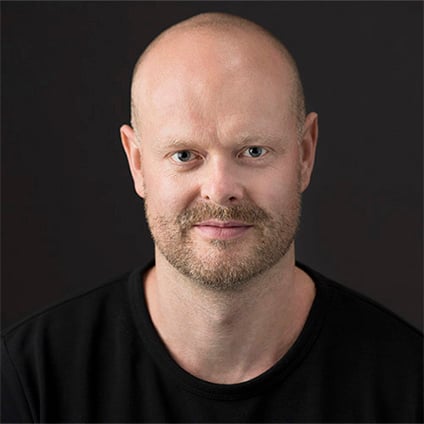
Joel Monk
Joel Monk is a leadership coach, educator and entrepreneur. He co-founded Coaches Rising, a company on the cutting edge of online coach training with a community of over 65,000 coaches. Coaches Rising programs regularly include participants from every continent on the planet and they have collaborated with some of the leading minds in the field of human development and coaching. Joel is also a leadership coach, coaching at companies such as THNK, Booking.com, Siemens and Naspers. Joel has designed and led several entrepreneurial and leadership development programs, at places such as Socionext, THNK and The Impact Hub Amsterdam.